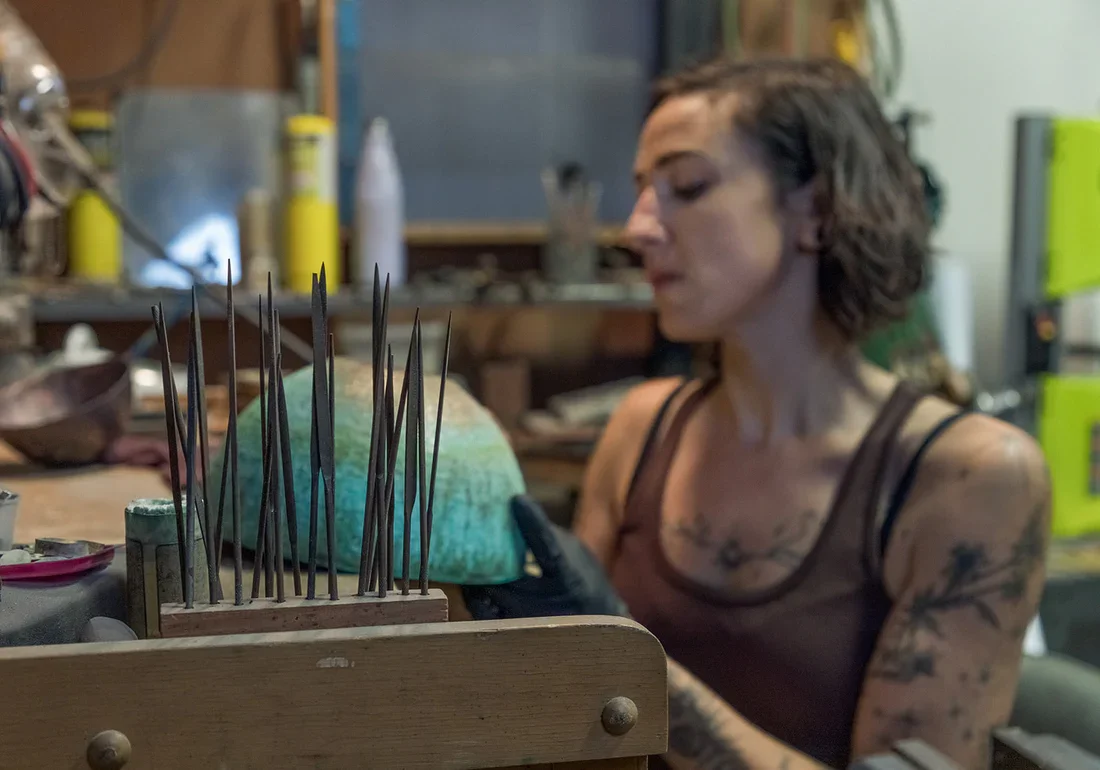
The Artist
“All of my art is dedicated to creating a visual language from of my reverence for growth, change, and the beauty of organic forms. It’s also a devotion to the process of creation, and the development of an evolving relationship with material, tools and skills.
The best work comes not from one source, and is not measured by the end result- but from the conversation between all the elements involved from concept through completion. One can never reach the end of learning from both materials and the act of creation. That endless educational journey is a driving force behind my work.”
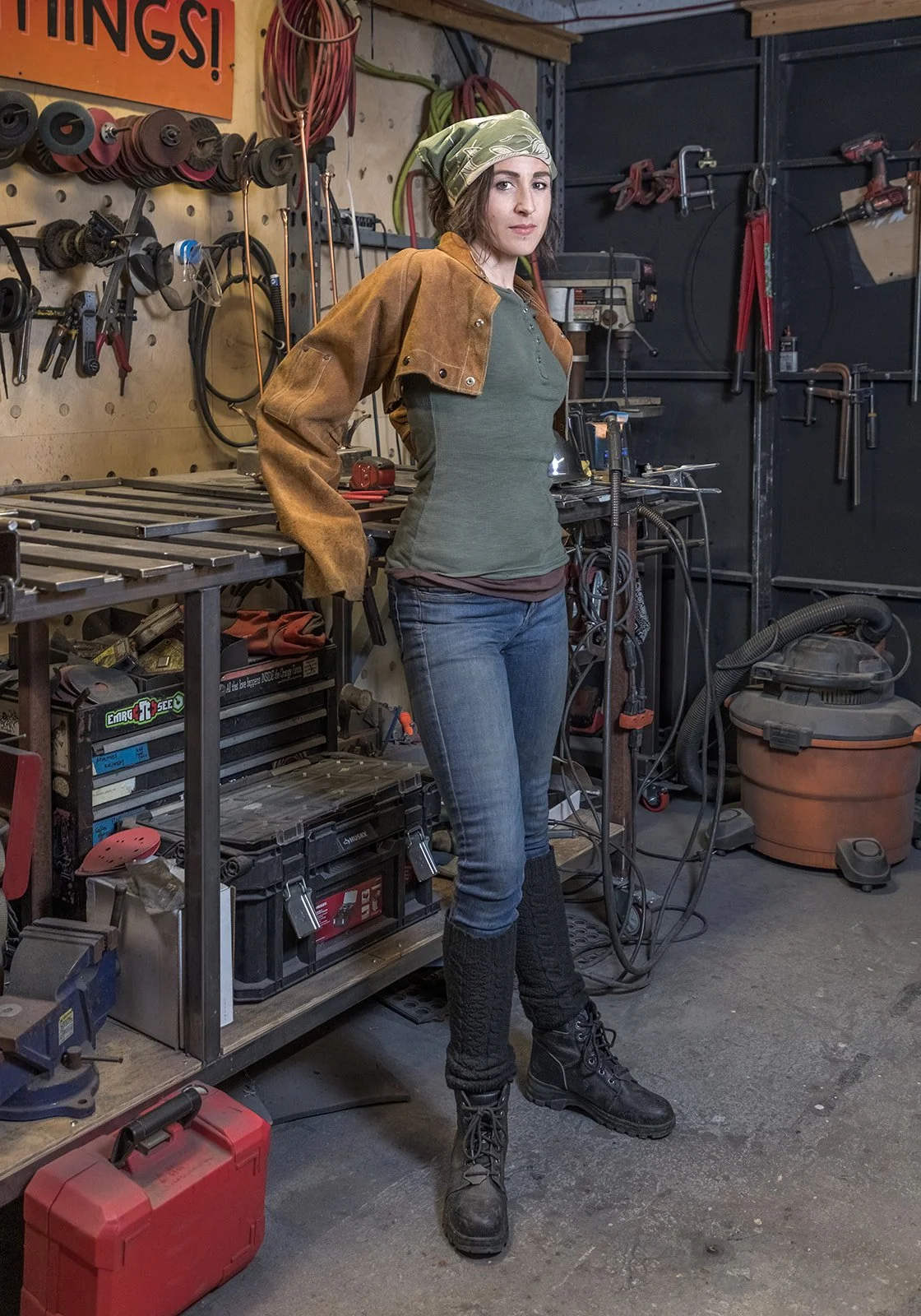
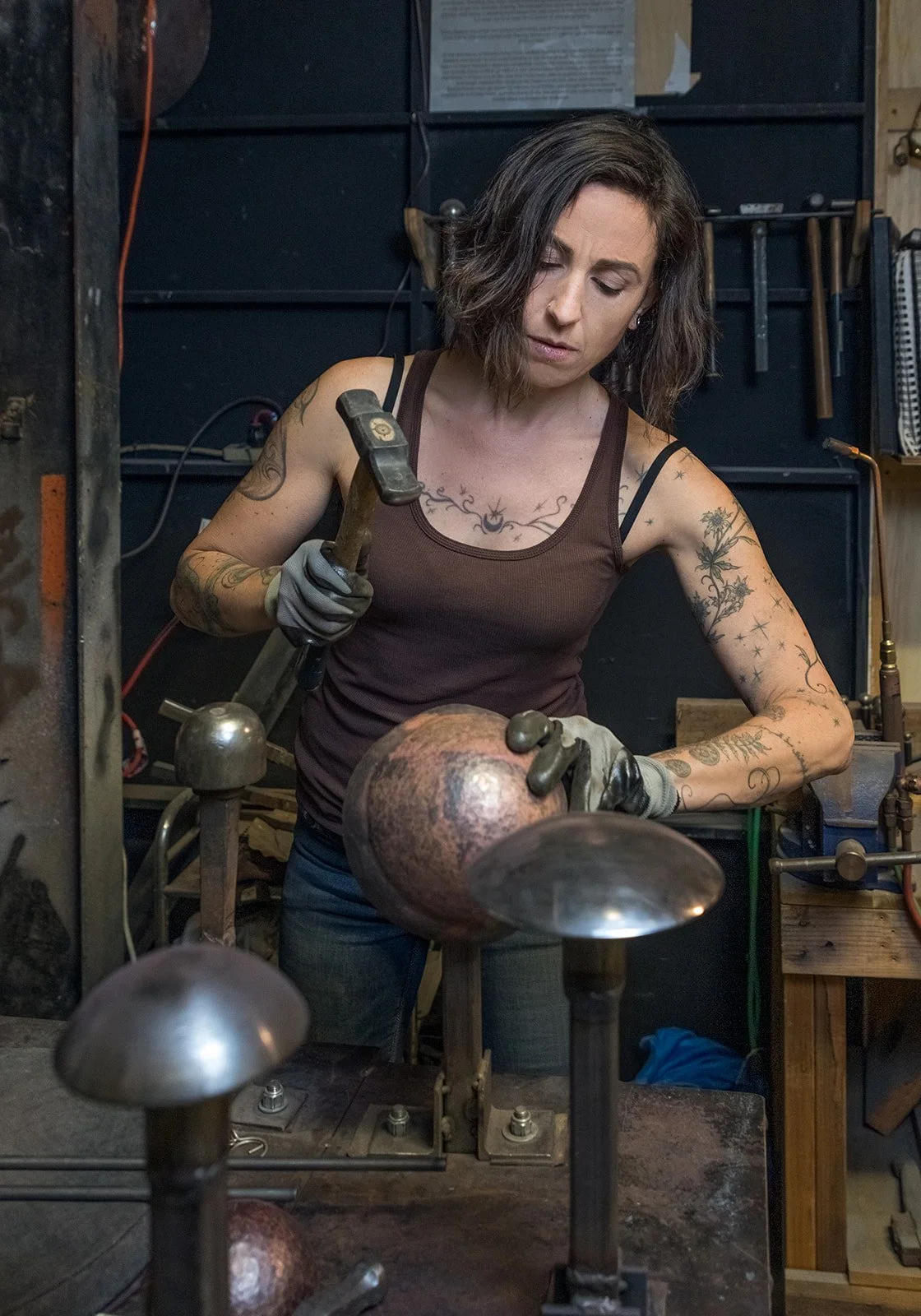
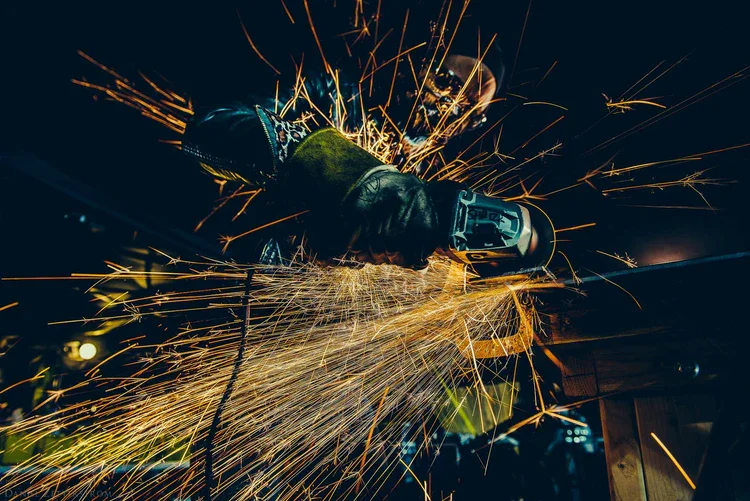
Metalworking teaches me patience, encourages me to push boundaries, and to find peace in the process.
Techniques
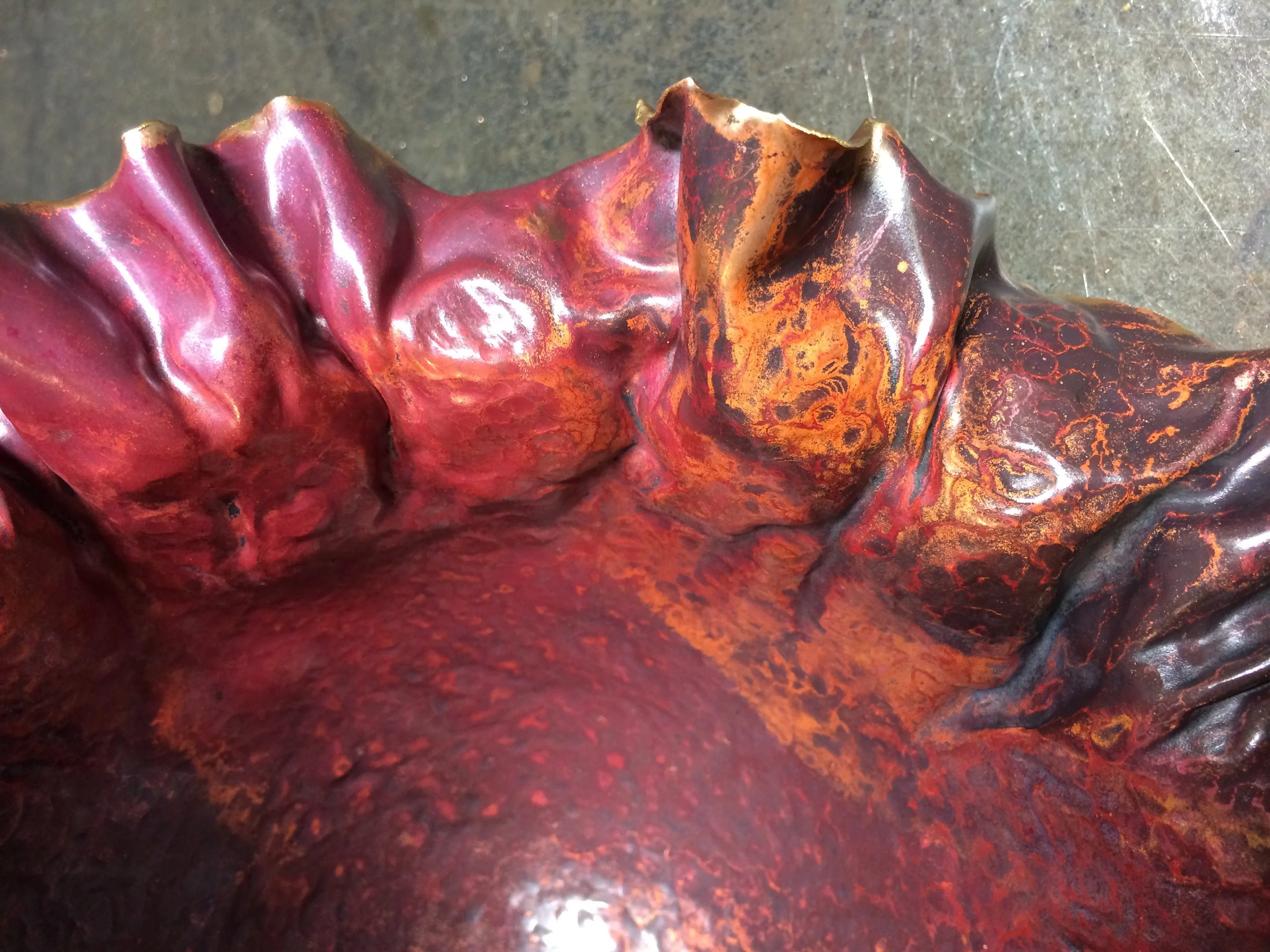
Raising
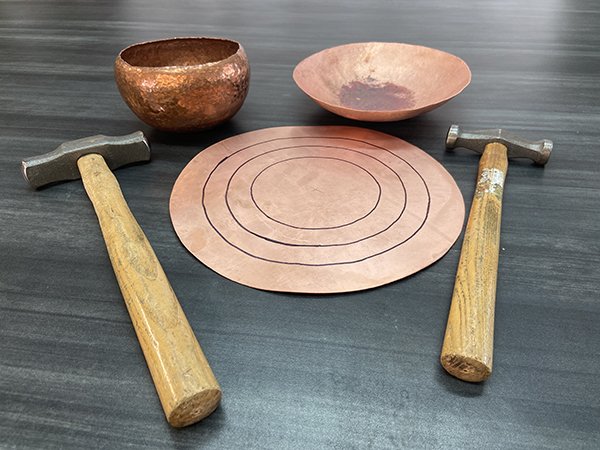
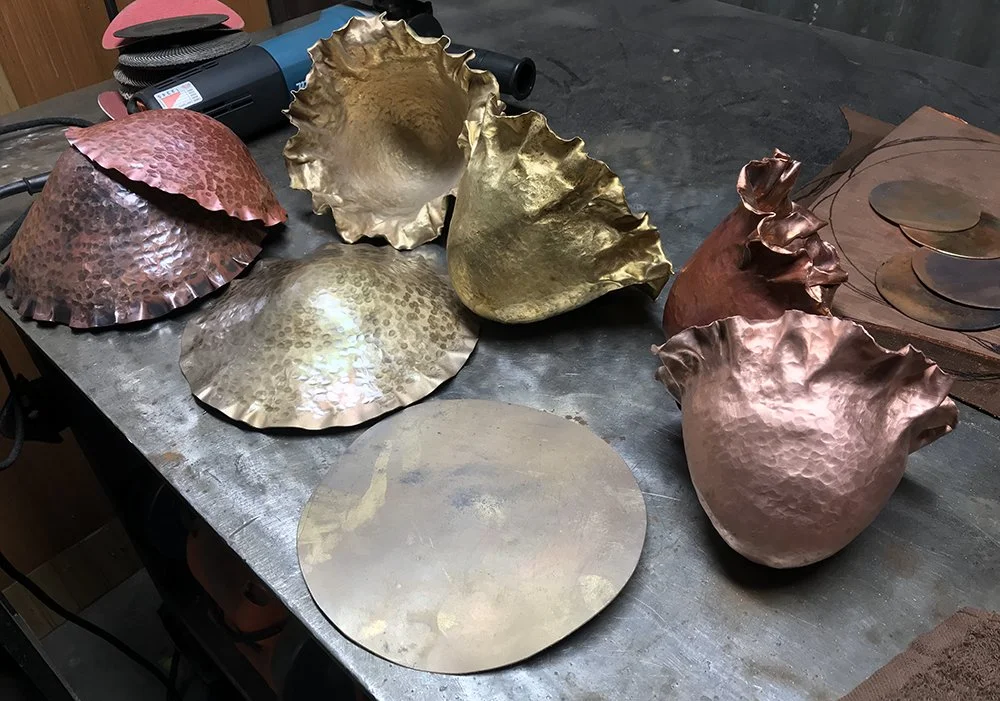
Raising metal has been used for thousands of years to create vessels, utensils and other functional objects. Sheet metal is shaped with the use of hammers and stakes. The process begins with heating non-ferrous (brass, bronze, copper, or silver) sheet metal to a point where the material becomes malleable, then cooling it down- after which it is worked with hammers and stakes in concentric circles to evenly stretch, bend and compress the metal into complex and hollow forms. Each time the hammer hits the metal, the material hardens as it stretches and bends; the crystals can only stretch so far before the metal becomes so hard that it is unworkable. In order to create depressions or hollow and complex forms with controlled contours, one must repeat the heating-cooling-working process repeatedly in order to get any dramatic shaping. Some pieces have thousands of hammer blows, if not more!
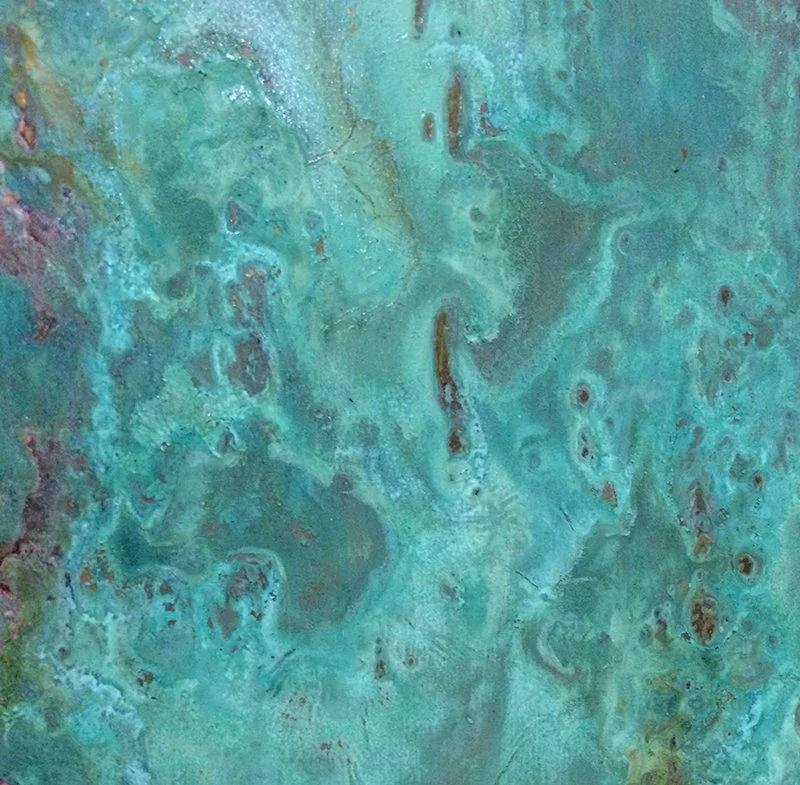
Patination
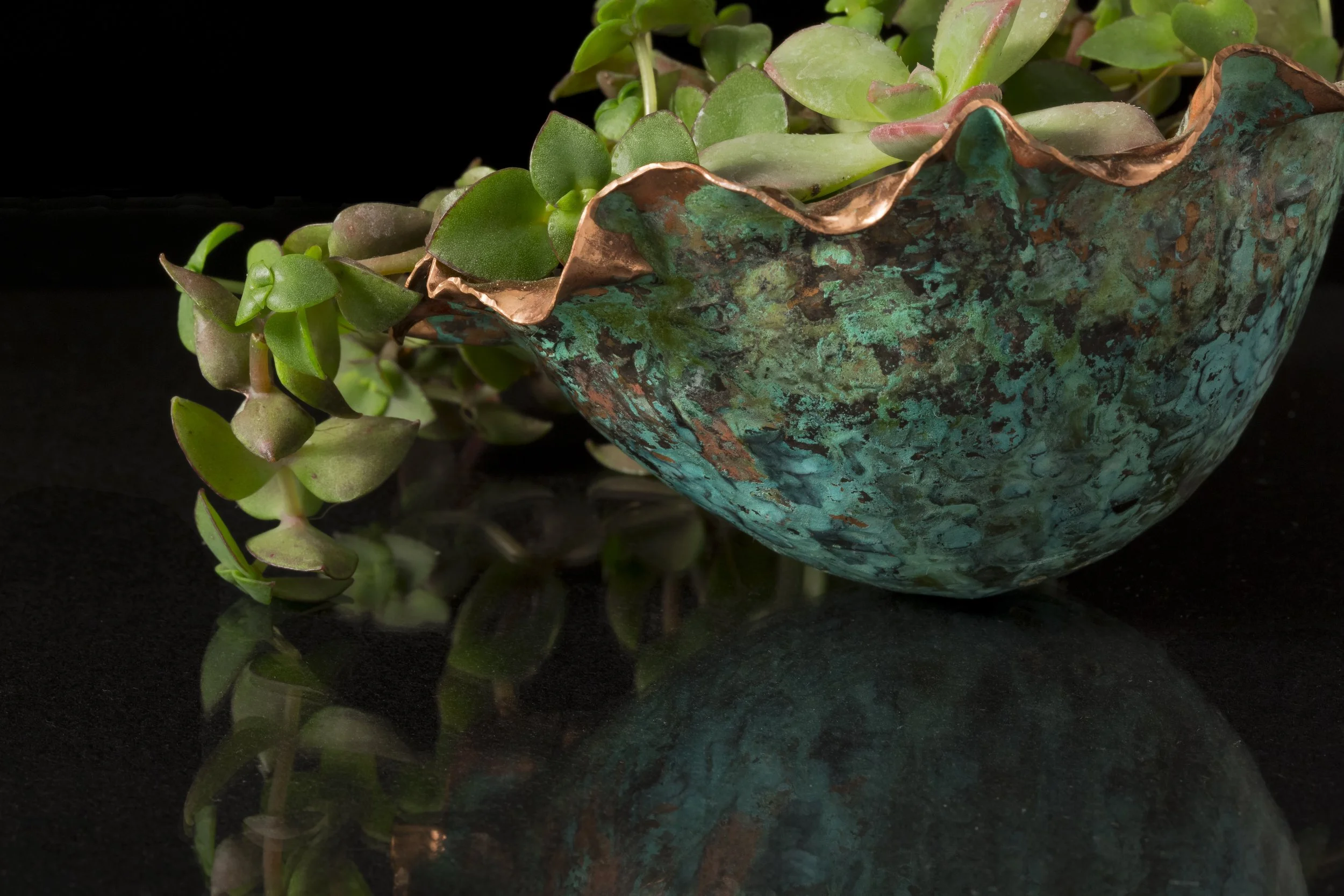
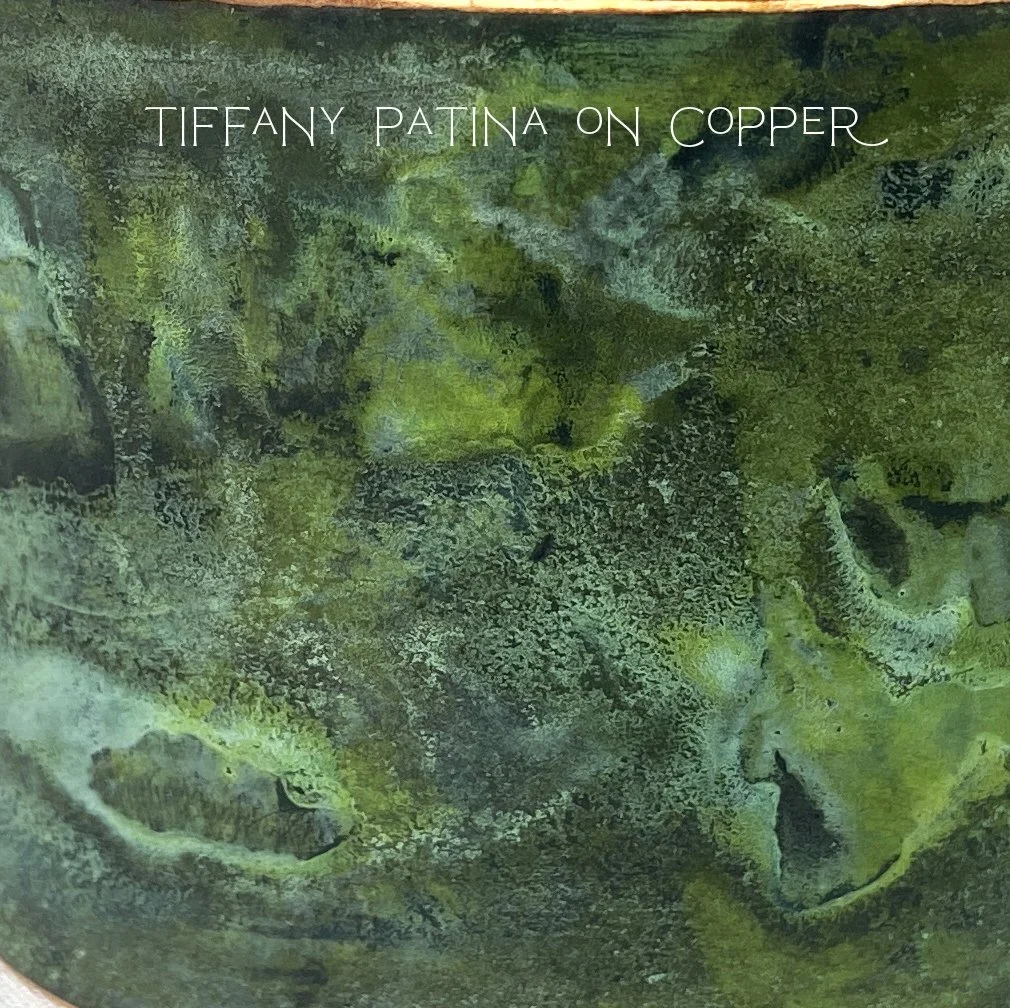
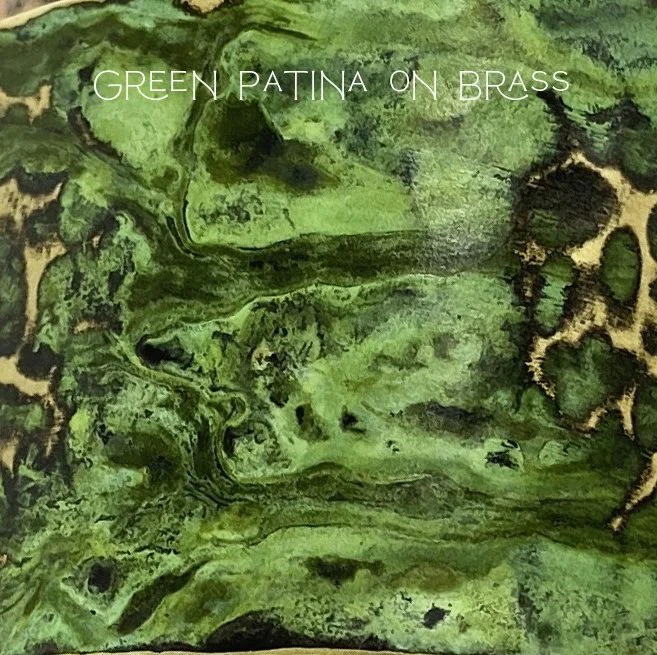
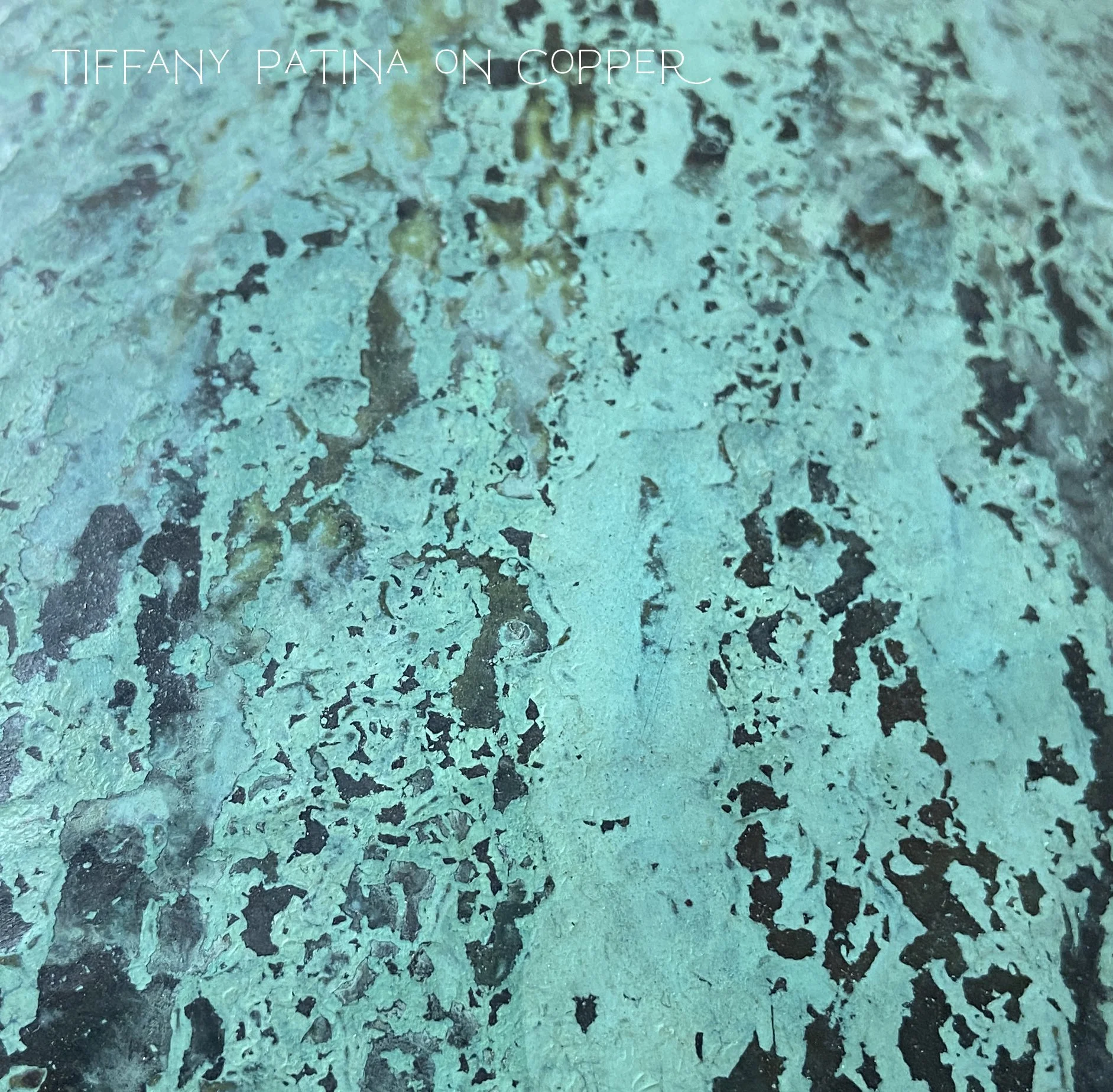
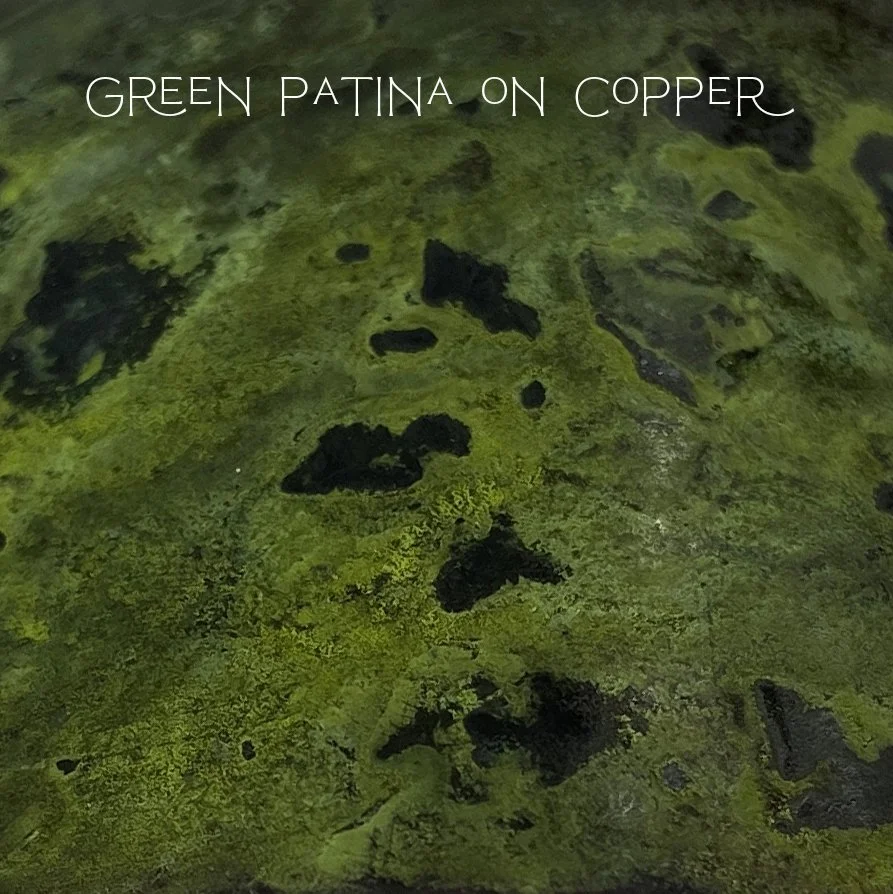
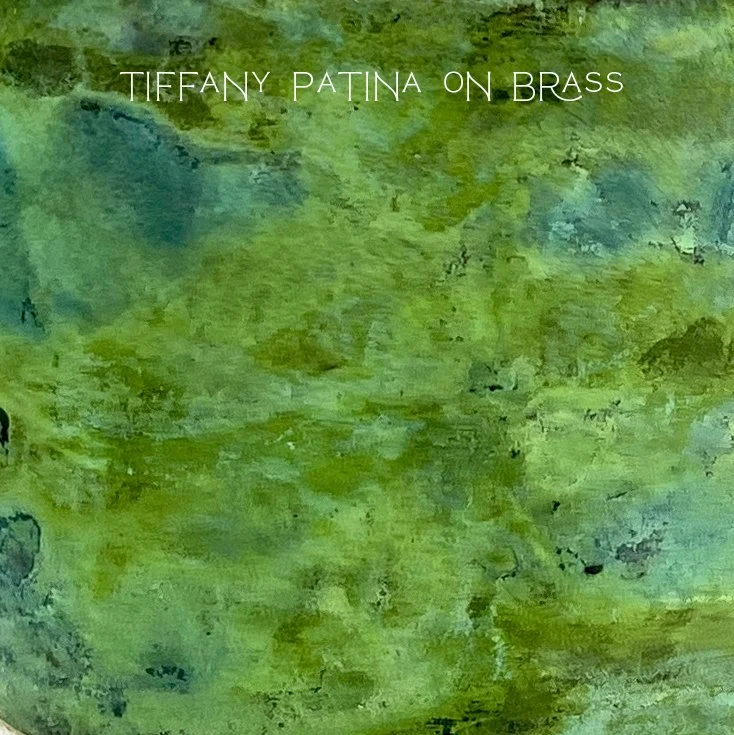
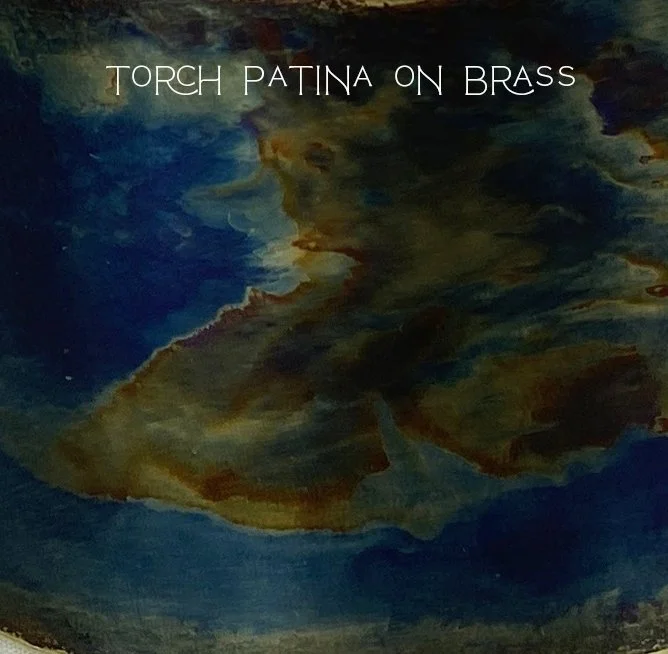
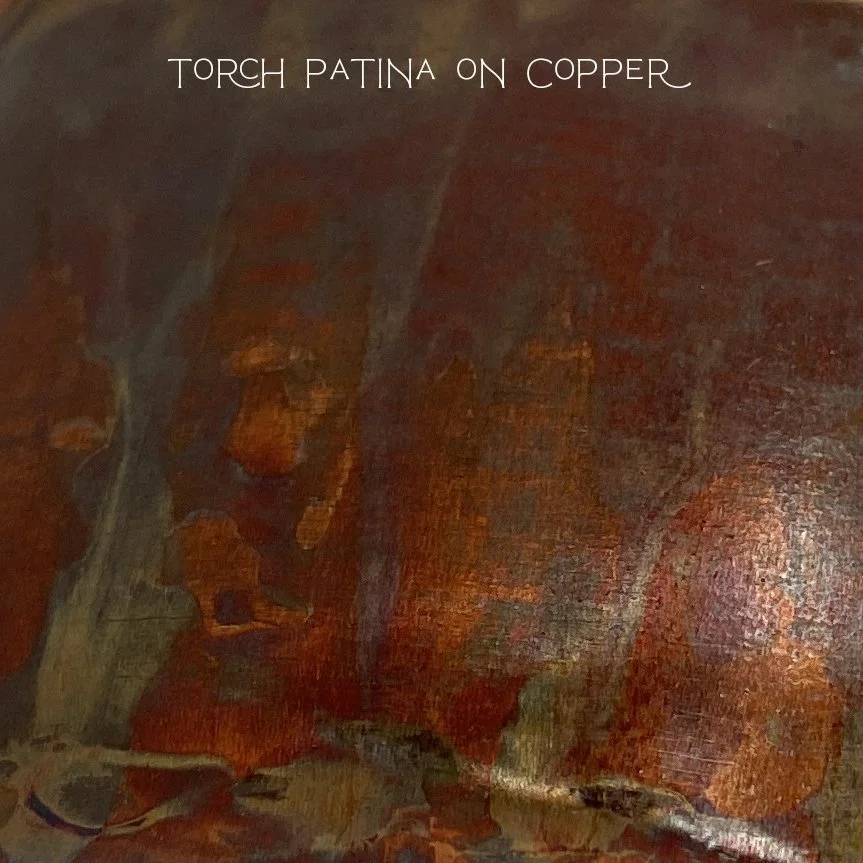
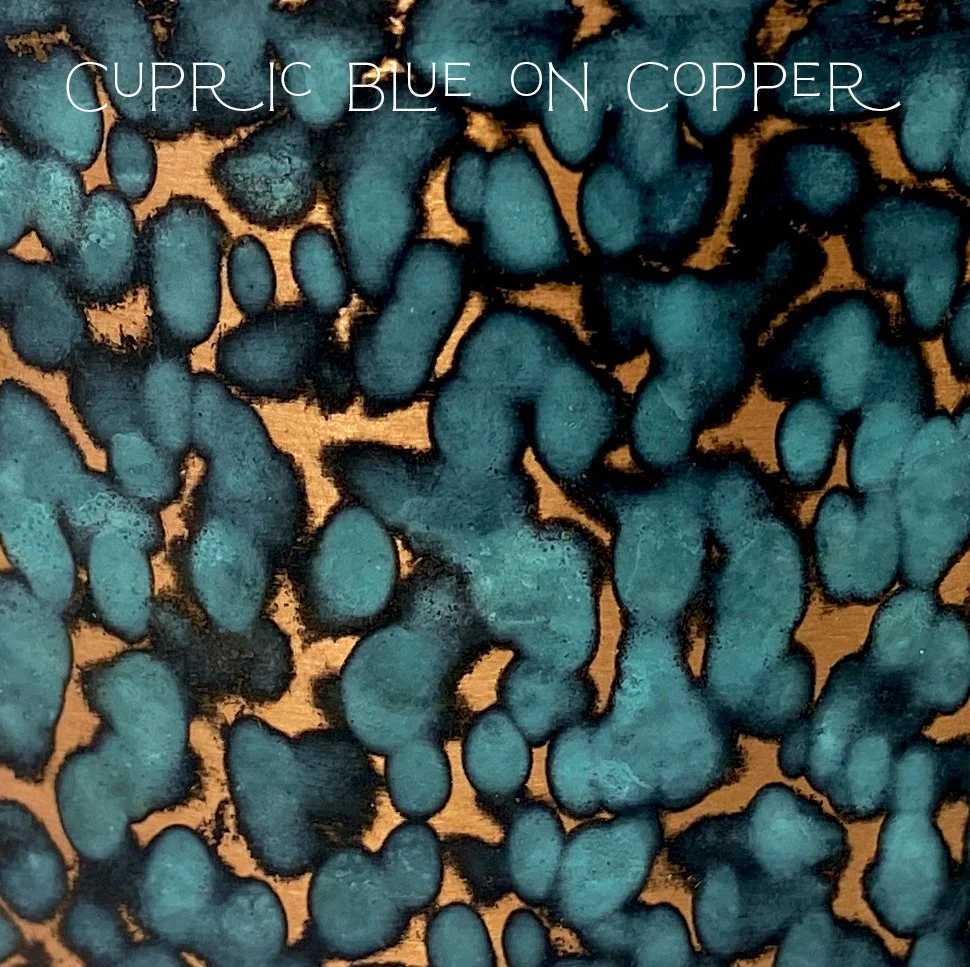
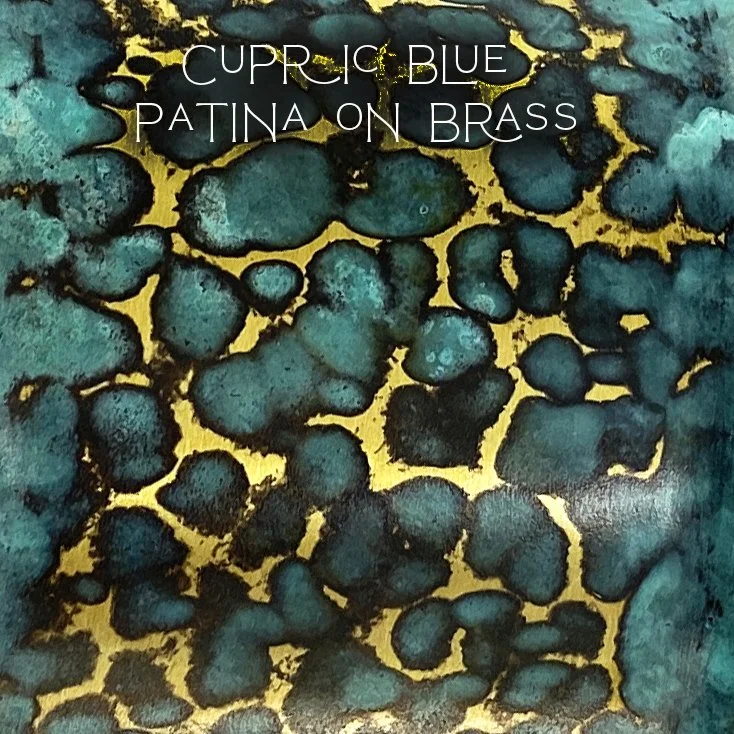
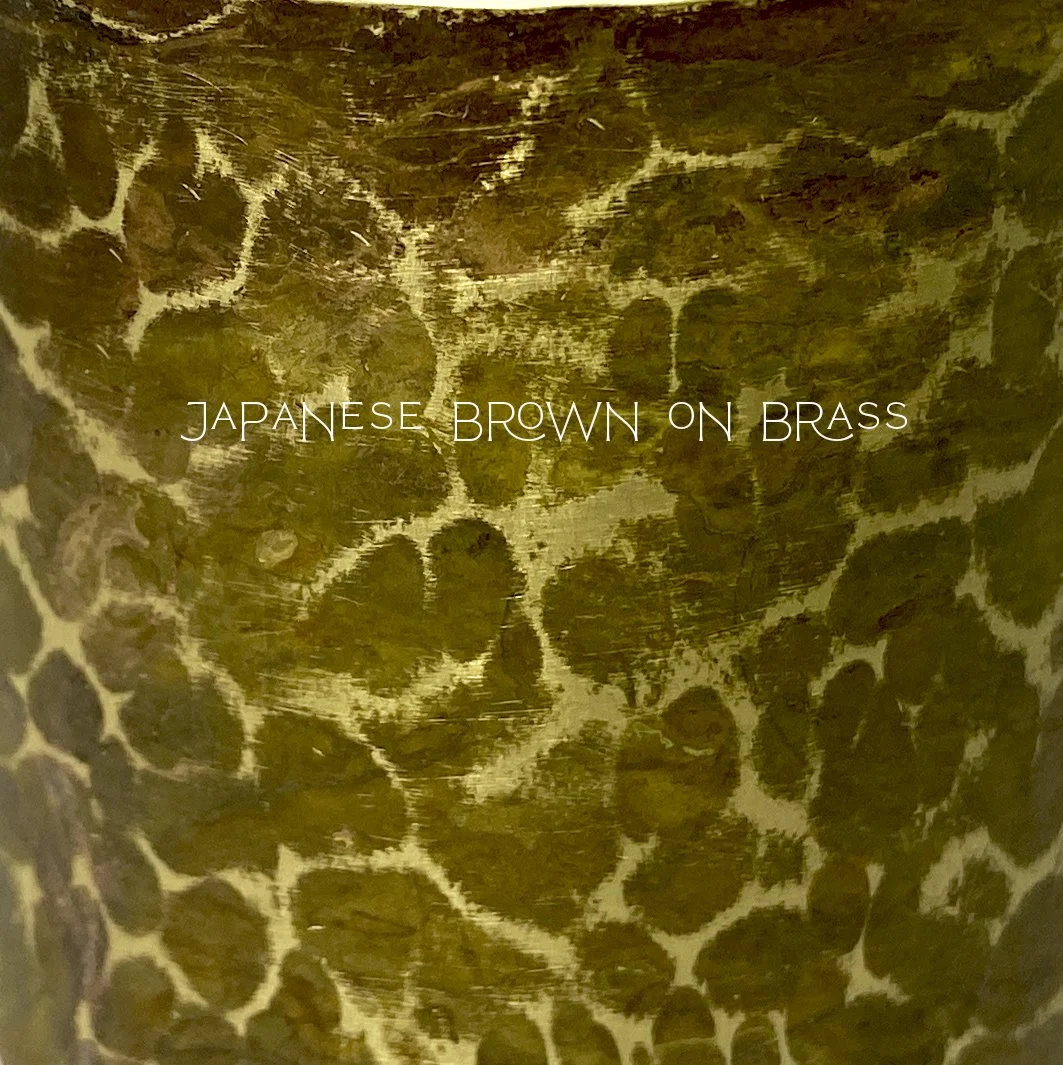
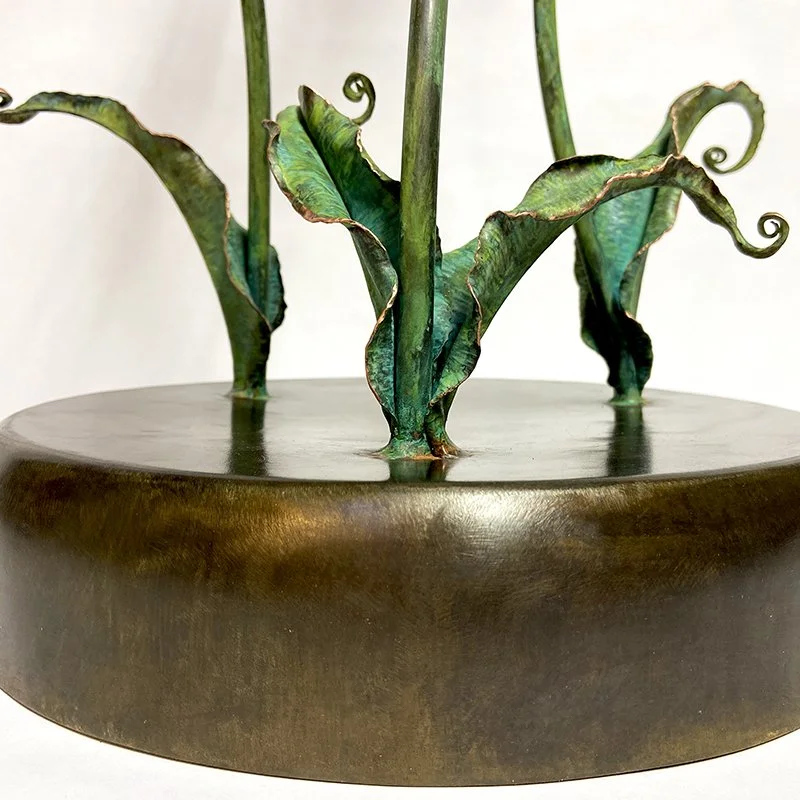
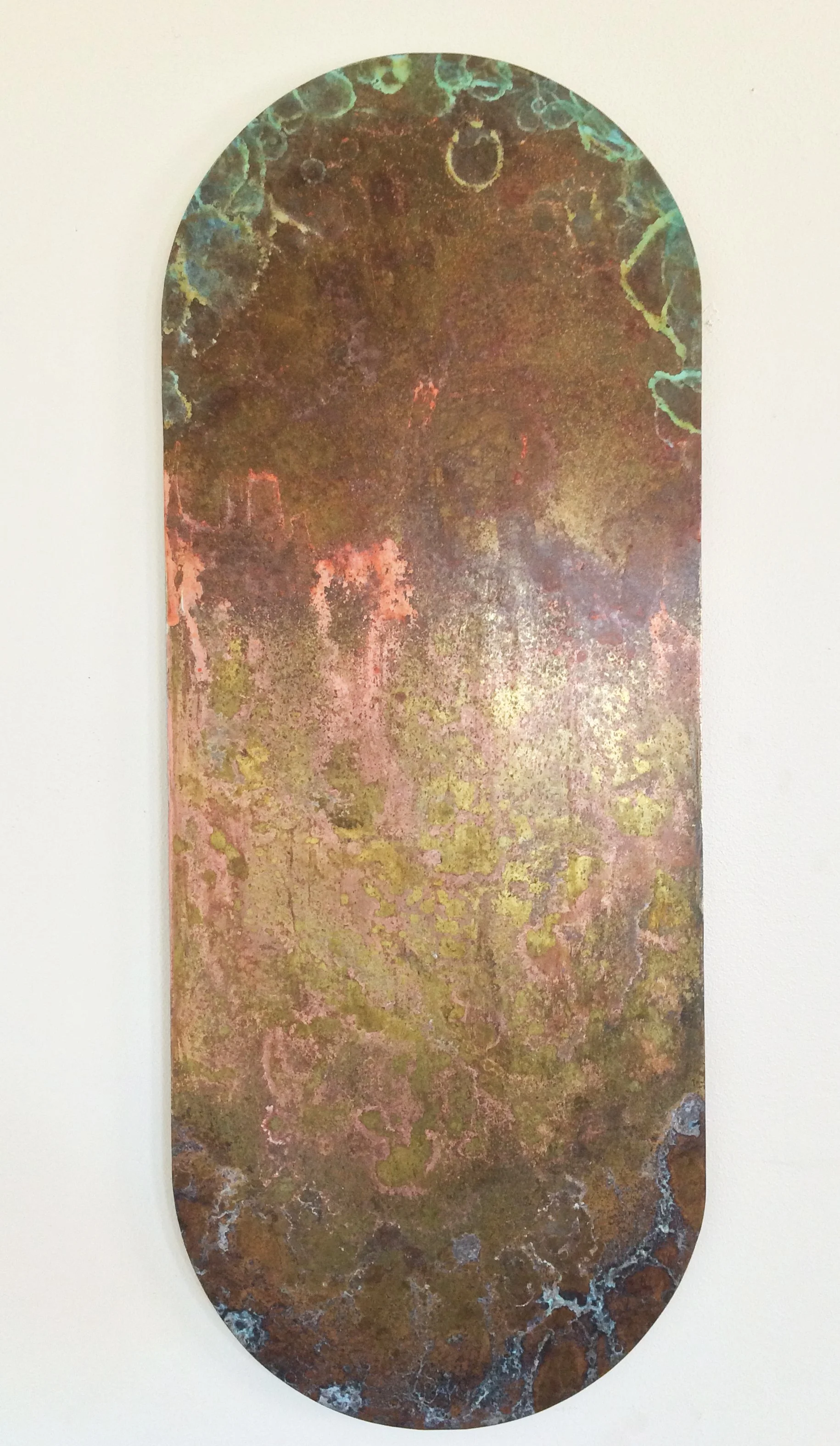
Patinas are coatings of various chemical compounds such as oxides, carbonates, sulfides, or sulfates that react with and change the surface of metal. Patinas are mostly applied in liquid form, sometimes while the metal is hot, other times they are applied cold.
The type of metal, method of application, and a variety of other factors affect the outcome of each one. Truly, they never are exactly the same twice, which makes them both challenging and rewarding to use.
Steel Forming & Forging
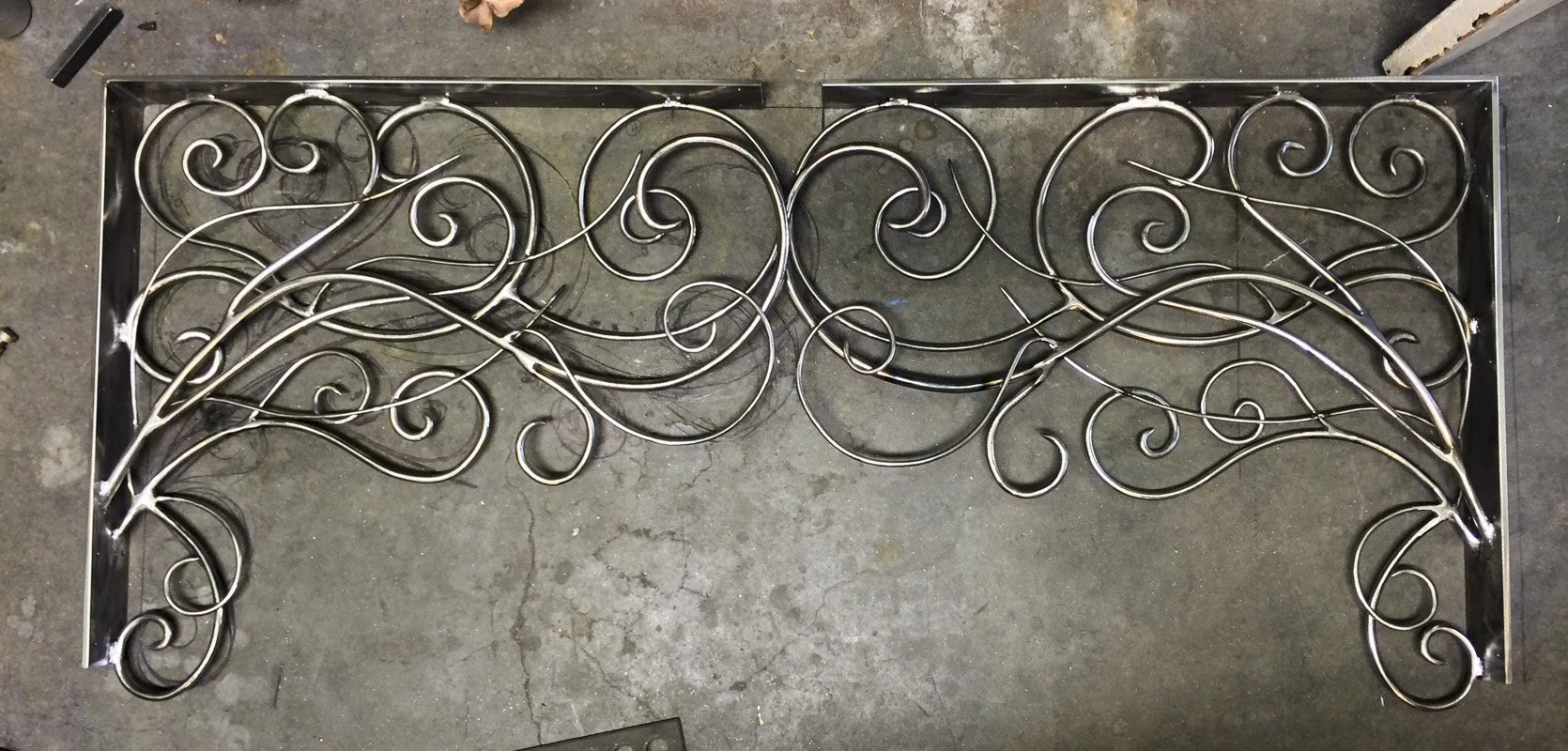
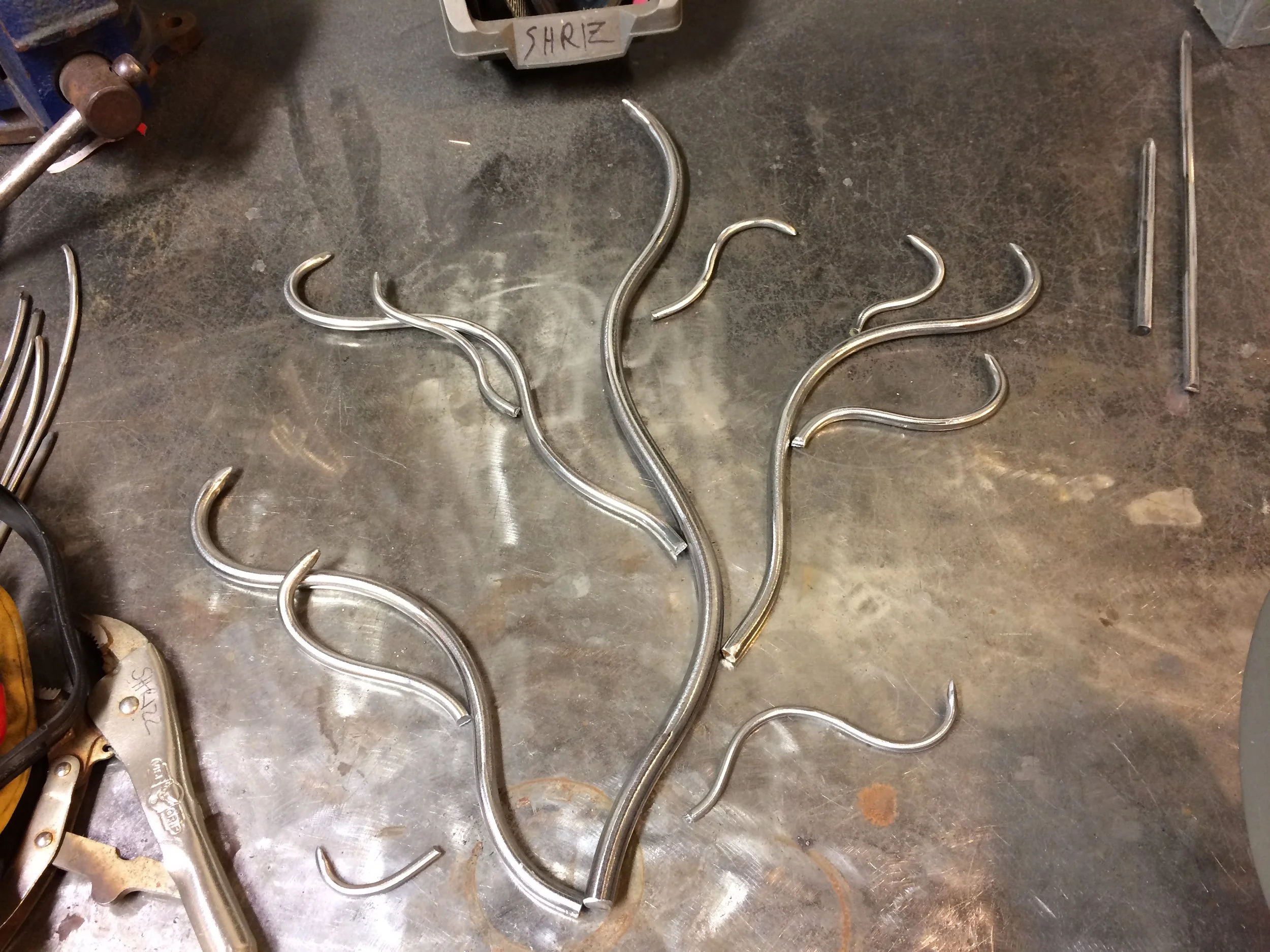
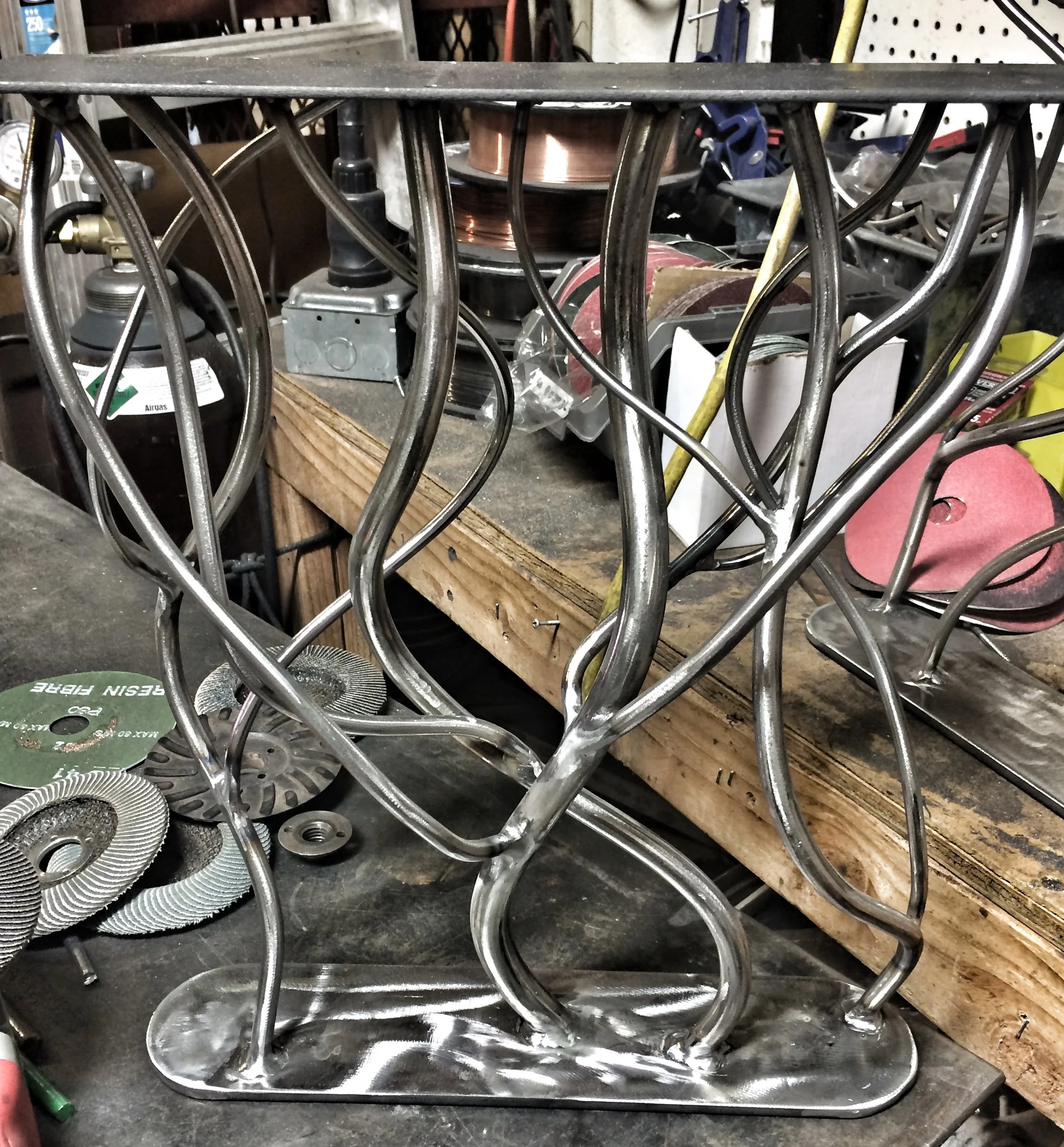
Most people are familiar with Forging, which refers to changing the shape of steel by heating, hammering and/or bending. Unlike non-ferrous metals, steel is most malleable when it is hot, though I often use jigs to bend it into complex curves when it is cold. All of the table legs and formed stems and branches in my sculpture and furniture are done by hand. My steel pieces are joined via mig welding.
Silversmithing
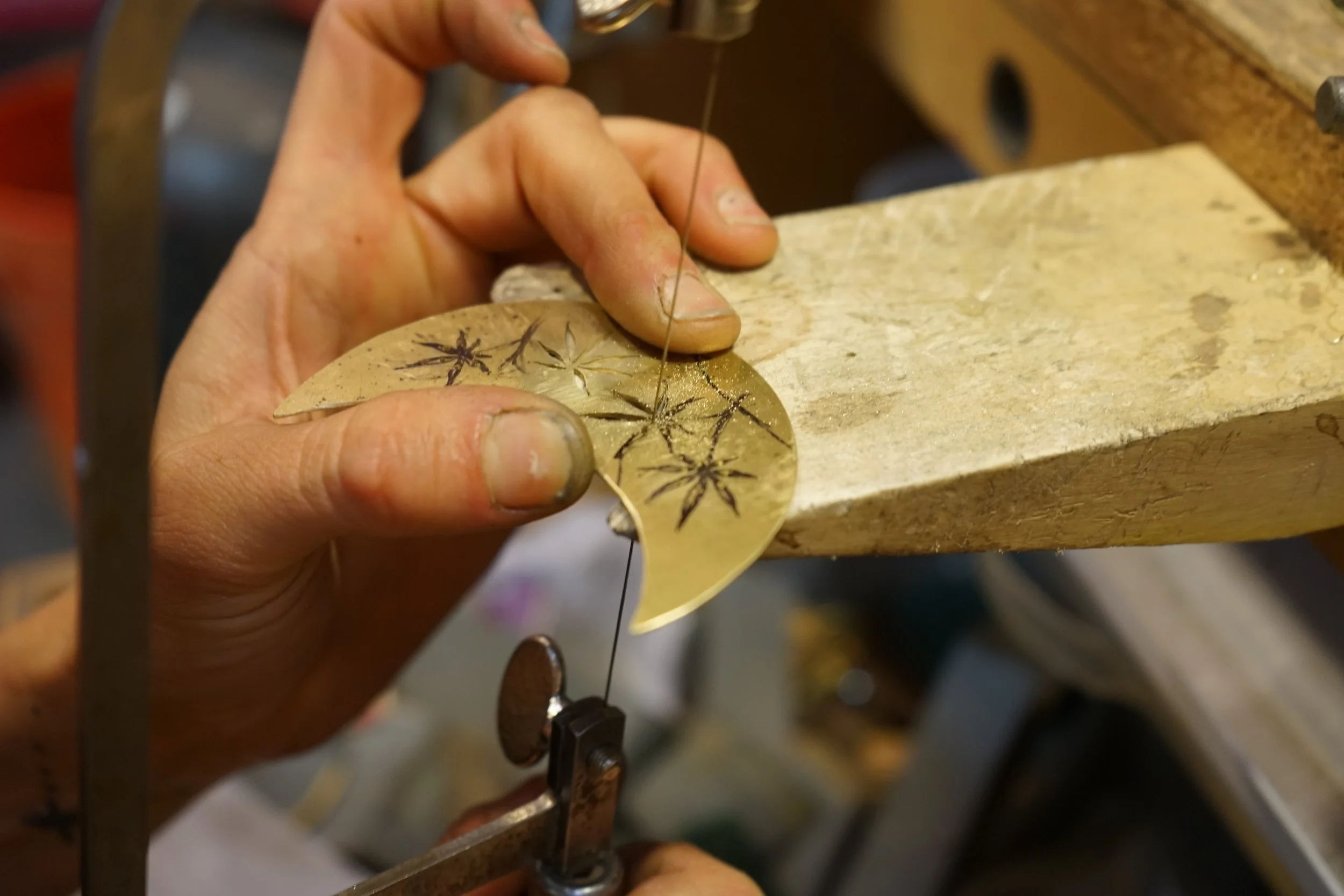
Silversmithing techniques can be used on various non-ferrous metals like silver, gold, brass and copper. This includes piercing intricate designs with a hand held jewelers saw, soldering, stone setting, and various forming techniques.
Shira was formerly trained at the University of Michigan School of Fine Arts, the Revere Academy of Arts in San Francisco, and apprenticed under several gold/silversmiths across the country.